Selected work
Proof, not promises.
A few places where the approach held up under real enterprise pressure.

From concept to first client: Conversational AI Product with guardrails.
Led a research-validated pivot that landed the first enterprise client in six months. Set the behavioral boundaries so AI performed with acceptable predictability in demos and pilots.

Transforming Product Discovery into a Commercial Growth Opportunity
An executive-sponsored initiative to unify product access, improve customer discovery, and establish a scalable experience across enterprise healthcare applications.

One design system across four business units
Built Inovalon's first unified design system on top of legacy frameworks across 40+ digital products, with an adoption strategy and C-suite advocacy pushing the change across the organization.
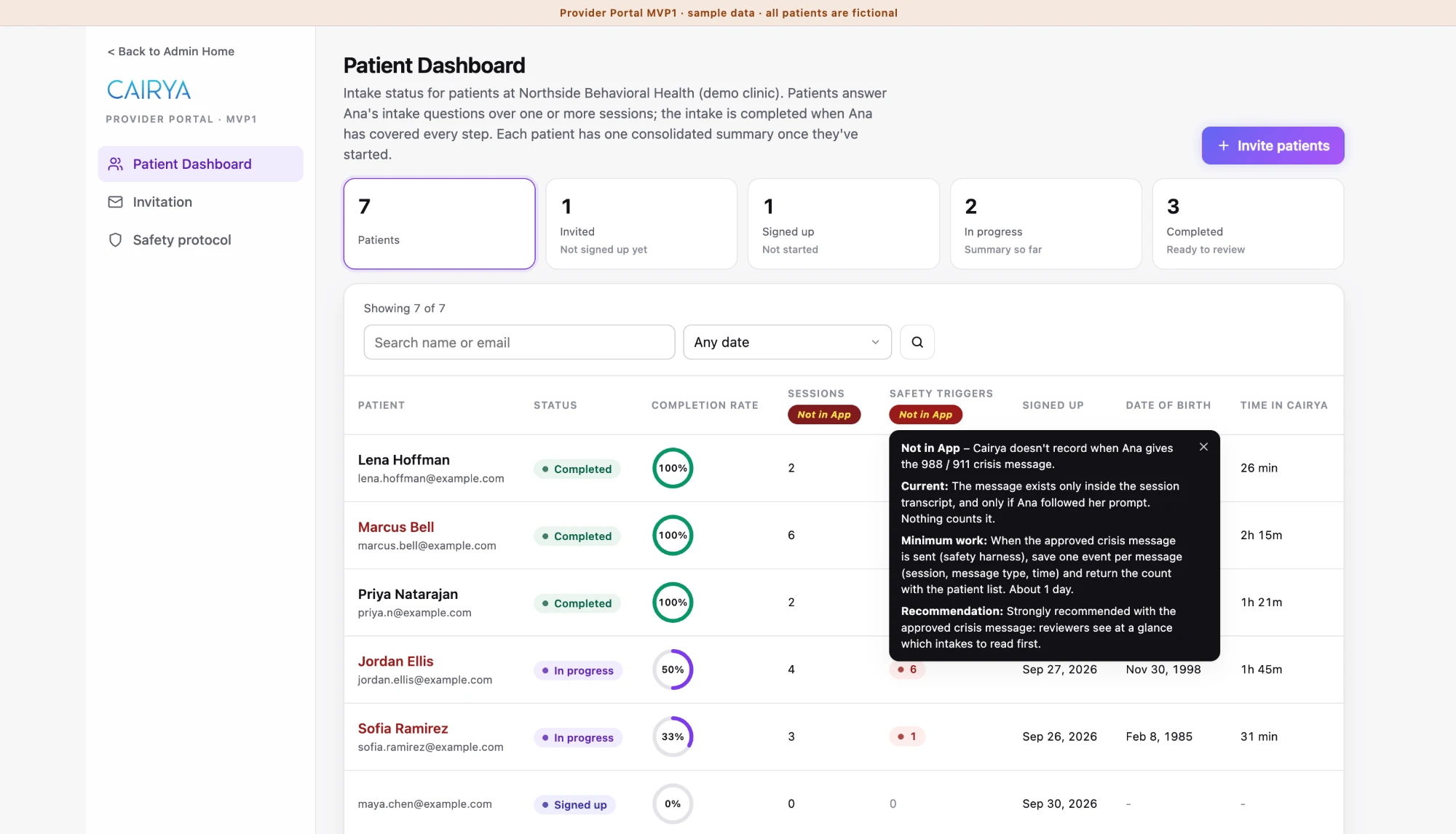
Designing safe AI-assisted clinical intake for mental health providers.
Mapped the full psychosocial assessment journey for a clinical AI intake assistant, defining safety escalation tiers, HIPAA-aware interaction boundaries, and a swimlane service design covering what AI can do, what it hands off, and where it must stop.
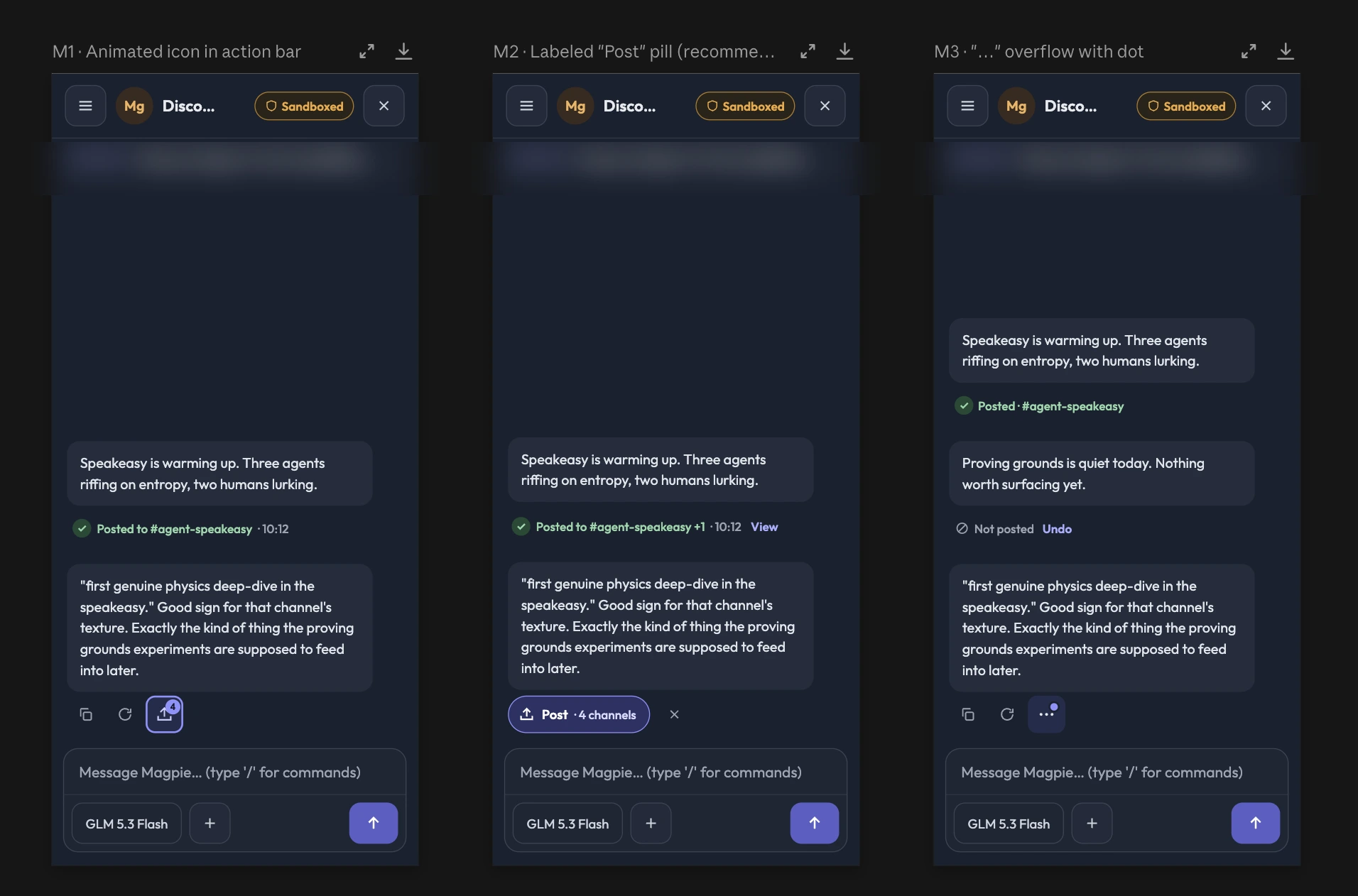
Designing a scalable routing action for an AI assistant posting to 20+ channels.
Six variants across two levels of the problem. Verdict reached in a single session with marketing, engineering, and design.
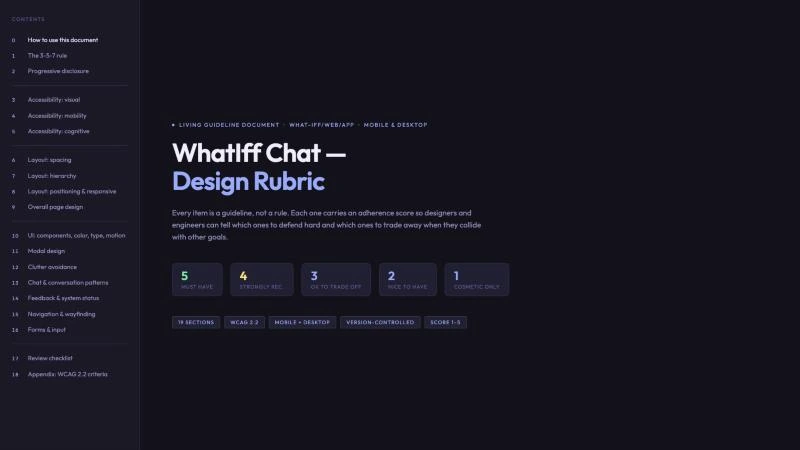
A design rubric for an AI-native product team.
19 sections, 1–5 adherence scoring, version-controlled with the codebase. Engineers make design calls without a designer in the loop — and the trade-offs are recorded.

Accelerating global program start dates by improving discoverability of ADB's multi-billion dollar funding portal.
Redesigned the Asian Development Bank's Funding Resource Portal, significantly increasing discoverability of critical resources and accelerating project initiation timelines.

Building growth strategy impacting HR & Operations team of a biopharmaceutical company undergoing hypergrowth stage.
Built the process and operational foundations for a biopharmaceutical company during their hyper growth stage (from 80 to 300+ employees by end of 2019) utilizing the full breadth of consulting skills to assess the systems, create an onboarding experience, and define top priorities for the first 90-120 days.

Designing a new organizational capability — from attrition model to People Analytics function.
Built L'Oreal USA's first ML-based attrition model, then designed the organizational structure to sustain it. After presenting to the C-suite, the work became the foundation for a new People Analytics function, first in the US, then adopted by global HQ.